
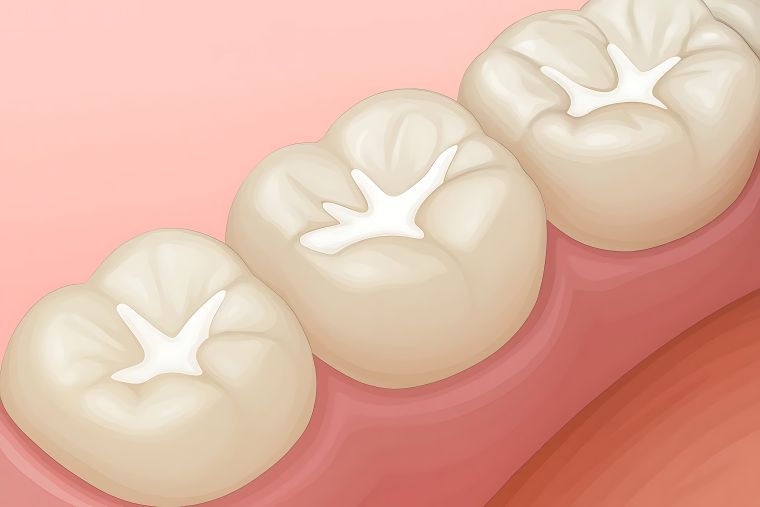
If you’ve been told you need a filling, but you’re worried about what’s going into your mouth, you’re not alone. A lot of people today are asking smarter questions about dental materials, especially when it comes to older metal fillings or materials that may trigger sensitivities.
At Indianapolis Dentistry, Dr. Aatif Ansari and Dr. Nicole Quint take a mindful approach to restorative care that looks at more than just the cavity itself. We prioritize biocompatibility, which means choosing materials that work with your body, not just on your tooth.
Why some patients want alternatives to "traditional" fillings
Traditional silver-colored fillings (called amalgam) contain a mix of metals, including mercury. While many patients tolerate them well, some prefer mercury-free options for aesthetic reasons, concerns about materials, or known sensitivities.
Even tooth-colored materials (composites) can vary in their makeup. That’s where biocompatibility really matters. The goal isn’t just “white filling,” it’s the right material for you.
Check out our general fillings page to see all your restorative options.
What is a biocompatible filling?
Biocompatible fillings are made from materials that are less likely to trigger irritation or immune responses and more likely to integrate with your mouth’s natural environment. But there’s no single “best” material for everyone.
At our practice, we consider things like:
- Mercury-free composite resins
- Glass ionomer options for certain areas
- Ceramic inlays or onlays when strength and longevity are priorities
- Materials testing for patients with known sensitivities
For patients curious about safe material choices, we also discuss holistic dental materials and how different options interact with your body.
How we decide what’s best for your filling
Dr. Ansari looks beyond the cavity itself to evaluate:
- How much tooth structure remains
- Where the filling will be placed
- Your bite and chewing patterns
- Any health history that might influence your body’s response
Sometimes a filling is a simple fix. Other times, a ceramic inlay or onlay, like we offer in our E4D crowns and bridges service, is a stronger, longer-lasting choice.
Is it worth replacing old metal fillings?
That depends on your goals and your mouth’s condition. If old fillings are stable and symptom‑free, we may recommend monitoring them rather than replacing them.
When removal is appropriate, we use SMART (Safe Mercury Amalgam Removal Technique) protocols to protect your airway and reduce exposure. This approach fits well with our broader focus on biological dentistry, combining thoughtful choice with gentle techniques.
If you’re wondering about the health effects of mercury or different filling types from a holistic view, you might like this older post on related topics:
Looking for biocompatible restoration options in Indianapolis?
Choosing the right filling isn’t just about fixing a cavity. It’s about respecting your body’s signals and your personal health goals. At Indianapolis Dentistry, we’ll walk through your options with you, explain how each material works, and help you decide what feels best for your situation.
When you’re ready, reach out to schedule a consultation with Dr. Ansari or Dr. Quint. We’re here to answer your questions, one tooth at a time.